Category Archives: Manhood

The Silent Crisis: Why Schools Are Losing a Generation of Boys
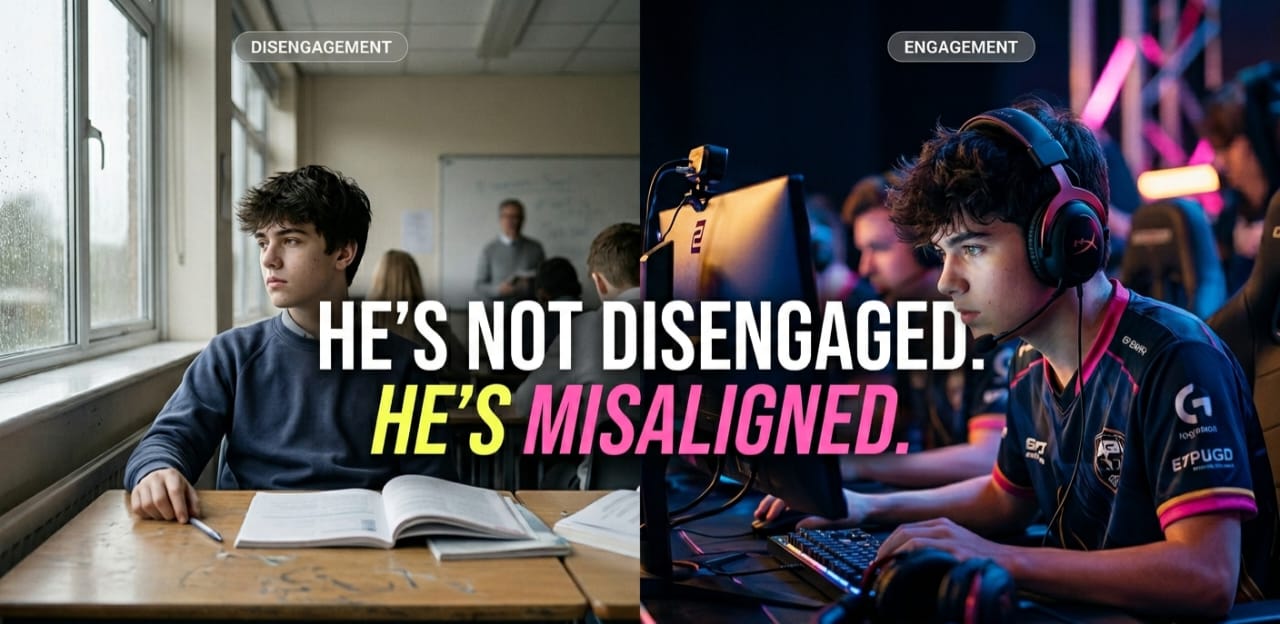
Editor’s Note: In an era of rapid educational reform, the widening gender gap in academic engagement remains one of the most persistent yet underaddressed challenges facing global school systems. In this analysis, Ola Akinwe, founder of the Boys Mentoring Advocacy Network (BMAN), challenges the prevailing narrative that assigns blame to the individual student. By shifting


Yahoo Boy Myth: Why Rich Kids Are Just as Vulnerable as Poor Kids

Let’s tell the truth for a minute. If you ask the average Nigerian why young boys drift into cybercrime (Yahoo), rituals, or gangs, they will give you the same tired answer: “It’s poverty, Ola. The economy is hard. There are no jobs.” It sounds logical. It sounds compassionate. But it’s a lie. If poverty were

The Silent Crisis No One’s Talking About: Boys Running on Corrupted Software

THE 7-DAY GLITCH PROTOCOL

Look around. How many boys do you know who spend hours gaming or scrolling but feel empty after? Have talent but zero motivation to use it? Hang with friends who drag them down but don’t know how to leave? Feel angry, tired, or off but can’t explain why? This isn’t a personality flaw. It’s a

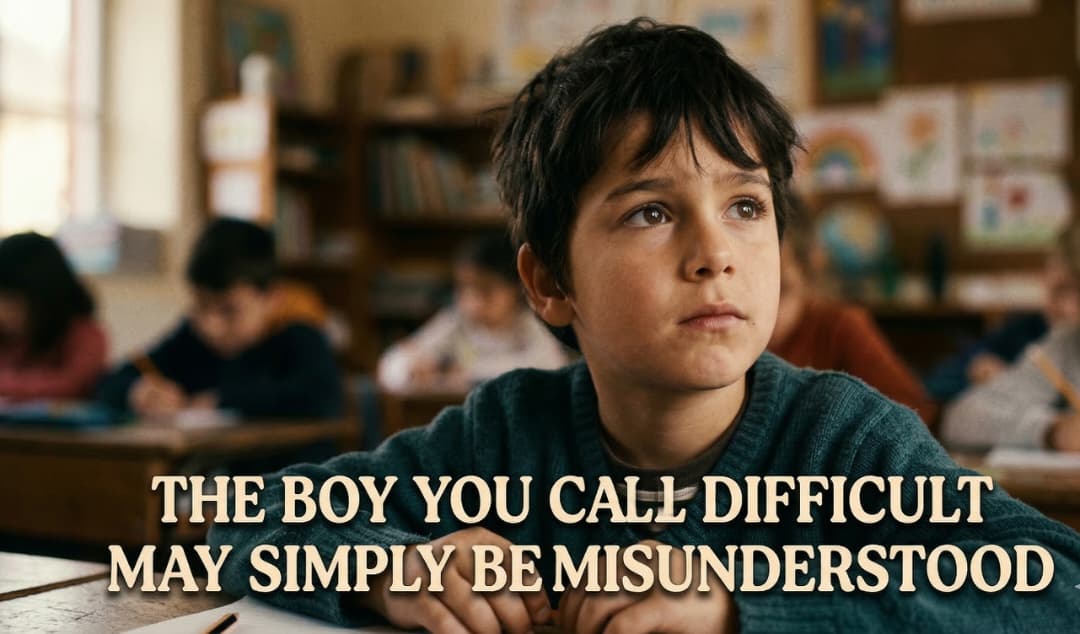
The Boy Behind the Behavior: Understanding Difficult Boys Before We Lose Them

A boy who seems “difficult” at home or in the classroom may not be a problem at all—he may simply be a personality that has not yet been understood. As a mentor for boys and the founder of the Boys Mentoring Advocacy Network (BMAN), I hear the same questions from parents, educators, and caregivers again

Gang Exit Strategies for Boys Trapped in Gangs

At the Boys Mentoring Advocacy Network (BMAN), we recognize the challenges faced by boys trapped in gangs who wish to leave. Exiting a gang is a complex and often perilous process, requiring careful planning and support. In this post, we explore effective strategies to help these young individuals transition out of gang life. Understanding Gang

The Joyful Father Effect: How Paternal Happiness Shapes Boys and Transforms Generations

A father’s happiness is far more than a personal emotion—it is a foundational force that shapes his son’s worldview, emotional health, and future relationships. In a society that often overlooks the emotional needs of boys, paternal happiness serves as a protective factor, fostering resilience, self-worth, and positive masculinity. At Boys Mentoring Advocacy Network (BMAN), we

Embracing Healthy Masculinity: A New Vision for Boys and Young Men

Redefining Masculinity in Today’s World  The conversation around masculinity is evolving. Gone are the days when boys were taught to “man up” or hide their emotions. At the Boys Mentoring Advocacy Network (BMAN), we believe it’s time to champion a new narrative—one where strength is measured by character, empathy, and integrity. Backed by research, we

Mentorship: How to Be the Brother You Needed When You Were Younger

Growing up, many of us recall moments of needing guidance, understanding, or a helping hand from someone who could see the world through our eyes—a brother we could trust and look up to. Whether you had a sibling or not, becoming the brother you needed when you were younger is a powerful way to give

Breaking the Silence: Addressing Abuse Against Men and Boys

Abuse against men and boys remains a critically underreported and stigmatized issue globally. Societal norms often dismiss male victimization, perpetuating harmful stereotypes that men are “too strong” to be abused or “weak” if they seek help. This silence exacerbates trauma, isolates survivors, and allows cycles of violence to persist. At BMAN, we believe everyone deserves

Unpacking the Desire for Rebellion: Why Some Boys Disobey Authority and Seek Freedom

Adolescence is a time of growth and self-discovery, often marked by a questioning of rules and authority. For some boys, this quest manifests as a strong desire to assert independence, sometimes leading to disobedience. Understanding these behaviors isn’t just about imposing discipline; it’s about comprehending the developmental, psychological, and societal factors at play. In this